


Is Board and Train Worth It? Benefits, Limitations, and Who It Works Best For

For many dog owners, the appeal of a board and train program is easy to understand: your dog stays with a professional trainer, receives focused training throughout the program, and returns home with stronger skills and better manners. But is board and train worth it for every dog?
The honest answer is no not automatically. A quality dog board and train program can create a strong training foundation, especially for owners who need professional help establishing obedience and structure. However, it is not a shortcut that permanently fixes every behavior without continued involvement from the owner. Dogs must learn to use their new skills with their families and in their normal home environment.
The American Kennel Club describes board-and-train facilities as programs where dogs stay in a trainer's care while receiving focused instruction, often for basic obedience or specific behavior goals. American Kennel Club board-and-train guidance
Quick Answer: Is Board and Train Worth the Money?
Board and train can be worth it when the program matches your dog's needs, uses appropriate training methods, includes clear communication, and teaches you how to continue the training at home.
It may be particularly valuable for owners who need help creating a reliable foundation quickly. However, long-term success still depends on consistency after the dog comes home. Think of professional
dog training as building the foundation. Your daily habits maintain the house.
What Is a Board and Train Program?
A board and train program combines temporary boarding with structured dog training. Instead of attending occasional lessons with the owner present, the dog stays with a trainer or at a training facility and works on predetermined goals.
Depending on the individual dog and program, training may focus on:
- Basic commands and household manners
- Leash walking
- Recall
- Impulse control
- Staying calm around distractions
- Boundary training
- Confidence building
- More reliable obedience training
Programs vary significantly, so owners should never assume that every facility provides the same experience, training methods, living conditions, or owner education.
Kings Corner Dog Trainer LLC offers board and train services along with in-home lessons, group classes, behavioral services, puppy programs, and advanced obedience options for dog owners in the North Las Vegas area.
The Biggest Benefits of Board and Train
1. Your Dog Receives Consistent Training
Consistency is one of the most important parts of successful dog training. During an immersive program, a professional can reinforce desired behaviors throughout the dog's daily routine rather than working with the dog only during one scheduled weekly lesson. That repeated practice may help a dog understand new expectations more efficiently.
2. The Trainer Can Establish a Strong Foundation
Many dog owners know what behaviors they want but struggle with timing, communication, or consistency. An experienced trainer can focus on building clear foundational skills before transferring those skills back to the owner. This can be particularly helpful for leash manners, basic commands, impulse control, and general household behavior. The key word, however, is foundation. The owner still needs to maintain what the dog has learned.
3. Training Can Happen Around Controlled Distractions
A dog that follows commands in a quiet room may struggle outside when people, dogs, smells, traffic, or other distractions appear. A thoughtfully designed dog board and train program can gradually introduce appropriate distractions while reinforcing the behaviors the dog is learning. The goal should not simply be a dog that performs for the trainer. The goal is a dog that can eventually respond reliably in real life.
4. It Can Help Busy Dog Owners Get Started
Work, family responsibilities, travel, and unpredictable schedules can make consistent daily training difficult. A board and train program may provide an intensive starting point while the owner is unable to manage that initial training schedule independently. It should not, however, eliminate the owner's future responsibility.
5. Professional Observation Can Reveal Important Patterns
When a trainer spends significant time with a dog, they may notice patterns that are difficult to identify during a single lesson. For example, a dog that appears “stubborn” may actually be confused, overstimulated, fearful, or highly distracted. Understanding the reason behind a behavior can influence the training plan.
For challenges that need more individualized attention, Kings Corner also offers
behavior modification and
in-home dog training.
What Are the Limitations of Board and Train?
Your Dog Does Not Live With the Trainer Forever
Dogs learn through repeated experiences and consequences. Returning home means returning to a different environment, different people, and sometimes different rules. A dog may perform beautifully with a professional trainer but initially struggle to respond the same way to family members. That is why owner education and follow-up practice matter so much.
Some Problems Are Strongly Connected to the Home Environment
Suppose a dog only barks when someone approaches a particular front window. Or perhaps jumping happens primarily when certain family members arrive home. In cases like these, in-home dog training may be an important part of the solution because the trainer can observe the behavior where it naturally occurs.
Serious Behavior Problems May Require a Different Approach
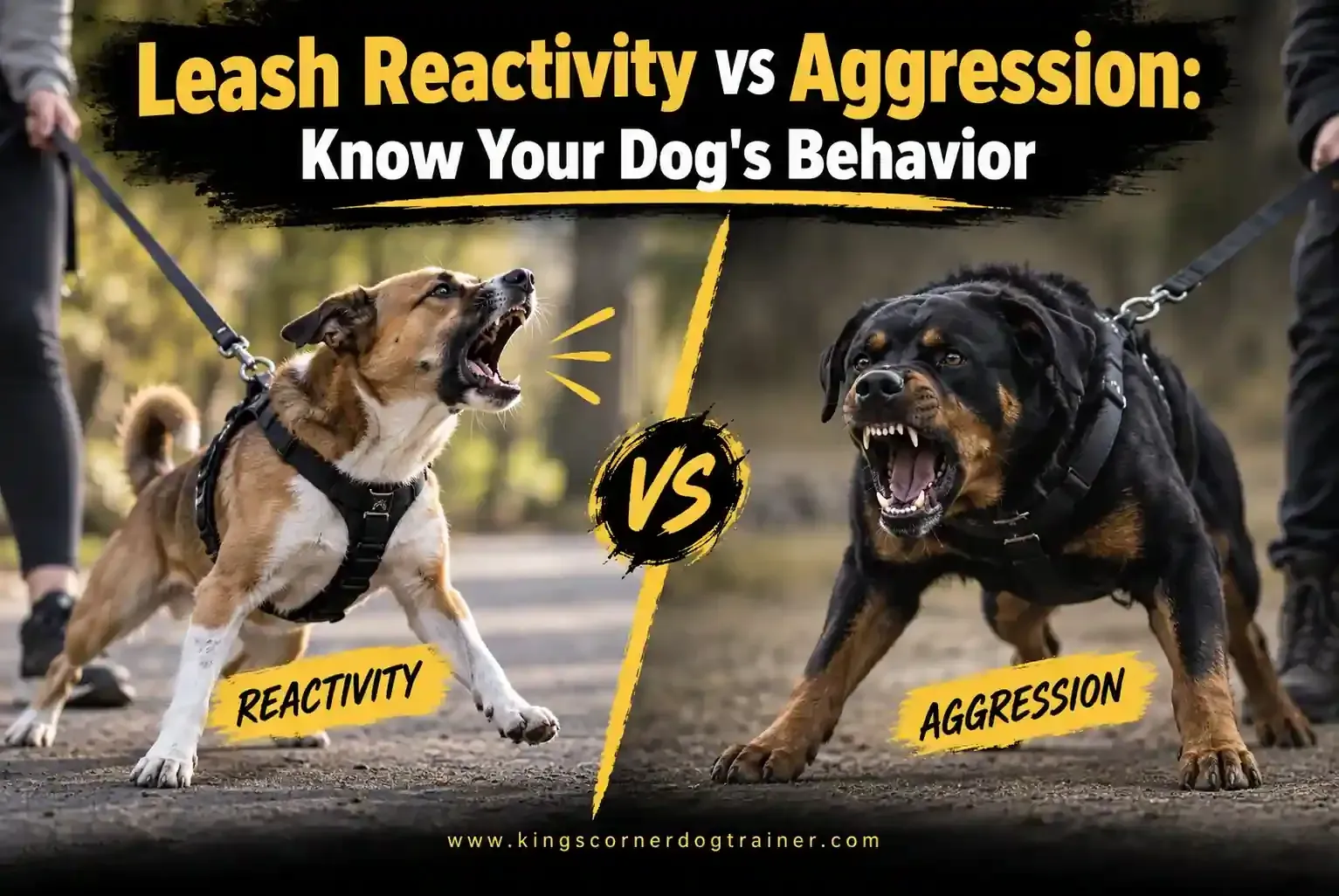
Fear, anxiety, aggression, and other complex behavioral concerns should be evaluated individually rather than automatically placed into a standard obedience program. In some cases, a qualified behavior professional or veterinarian may need to be involved.
Results Require Maintenance
No responsible training program can remove the need for future practice. If the trainer teaches calm doorway behavior but everyone at home allows excited rushing through doors, the old habit may return. If leash rules constantly change from one family member to another, the dog may become confused. Training must become part of everyday life.
The American Veterinary Society of Animal Behavior emphasizes humane, evidence-based approaches to training and behavior work.
AVSAB
Board and Train vs. Other Dog Training Options
| Training Option | Often Best For | Owner Participation |
|---|---|---|
| Board and Train | Intensive foundation and focused skill development | High after the dog returns |
| In-Home Dog Training | Household-specific behaviors and personalized coaching | High throughout |
| Group Dog Training Classes | Practicing skills around appropriate distractions | Owner and dog train together |
| Behavior Modification | Individual behavioral challenges | Depends on the dog’s needs |
| Puppy Training | Building early-life skills and routines | Usually significant |
| Advanced Obedience Training | Improving reliability beyond basic commands | Continued practice required |
Kings Corner offers these different training formats in the North Las Vegas area, making it possible to choose a program according to the dog's specific training needs rather than treating every dog the same way.
Who Is Board and Train Best For?
A board and train program may be a good fit when:
- Your dog needs a structured obedience foundation.
- You have struggled to make progress independently.
- Your schedule makes intensive initial training difficult.
- You are willing to follow the trainer’s instructions afterward.
- Your dog is comfortable enough to learn away from home.
- The trainer has experience with your dog’s specific needs.
Real-World Example
Imagine an adolescent dog that pulls heavily on the leash, jumps on visitors, ignores recall, and struggles with impulse control. A structured program may help establish clearer communication and foundational behaviors. But when the dog returns home, the family must learn how to reinforce those same expectations. Without that transfer, the dog’s progress may not fully carry into daily life.
When Might Another Training Option Be Better?
Consider another approach when the primary problem occurs only at home, the dog experiences significant distress away from familiar surroundings, or the owner needs extensive hands-on coaching. For some dogs, a combination works best: intensive training followed by private sessions or group practice.
The right question is not simply, “Is board and train worth it?” A better question is: “Which training format gives my dog and my family the best chance of long-term success?”
How to Choose a Good Board and Train Program
Before enrolling your dog, ask:
- What training methods will you use?
- Where will my dog stay and sleep?
- How much structured training will my dog receive?
- How are exercise and enrichment handled?
- Can you explain the specific goals for my dog?
- How will progress be communicated?
- What happens when my dog comes home?
- Is owner coaching included?
- What follow-up support is available?
- How do you handle behaviors outside your area of expertise?
Owners can also look for professional education, demonstrated experience, transparency, and relevant credentials. Organizations such as the Certification Council for Professional Dog Trainers and the International Association of Animal Behavior Consultants provide professional credentialing and education resources.
Key Takeaway
The best board and train program does not simply train your dog. It prepares both the dog and the owner to succeed together afterward.
The program itself may create progress, but the handoff back to the family determines whether that progress becomes a lasting lifestyle.
The program itself may create progress, but the handoff back to the family determines whether that progress becomes a lasting lifestyle.
Final Thoughts: Is Board and Train Worth It?
For the right dog, family, and training goals, a well-designed board and train program can be a valuable investment. It can provide concentrated professional guidance, establish important foundational skills, and help owners move past training challenges that have become frustrating.
The most successful owners, however, do not expect a permanently “finished” dog to arrive home. They view the program as the beginning of a better training system.
For dog owners searching for dog training in North Las Vegas, Kings Corner Dog Trainer LLC offers Board & Train along with other training formats designed for different needs. The best next step is to contact the training team, discuss your dog’s specific challenges, and determine which approach makes the most sense for your household.
Frequently Asked Questions
How long does it take for board and train to work?
There is no universal timeline. Training needs depend on the dog’s age, temperament, previous learning history, goals, and behavioral challenges. A reputable trainer should recommend a program after assessing the individual dog rather than promising identical results for every dog.
Will my dog remember me after board and train?
A temporary stay with a trainer does not normally erase a dog’s established relationship with its family. Owners should, however, discuss accommodations, routines, and communication with the trainer before enrollment.
Will my dog behave the same way for me as for the trainer?
Not automatically. Dogs must learn that the same expectations apply with different people and in different environments. A proper transition lesson and consistent home practice can help transfer the dog’s new skills.
Can board and train fix leash pulling?
It can help establish better leash skills, but owners must learn how to handle the leash and reinforce the training afterward. Without consistent follow-through, unwanted walking habits can return.
Is board and train good for puppies?
It may be appropriate for some puppies, but the program should match the puppy’s developmental stage and individual needs. Early training should also involve the owner because household routines and long-term communication develop at home.
Can aggressive dogs attend board and train?
Some professionals work with aggression, while others do not. Aggression should be evaluated individually, and owners should be cautious of guaranteed “cures.” Complex cases may require specialized behavioral or veterinary support.
Is board and train better than private lessons?
Neither option is universally better. Board and train provides immersive professional training, while private lessons give owners direct hands-on practice. The better choice depends on the dog’s needs and the owner’s goals.
What should happen when my dog comes home?
The trainer should explain what the dog learned, demonstrate the skills, teach you how to reinforce them, and provide clear expectations for continued practice.
Can bad behaviors return after training?
Yes. Behaviors can return when rules change, reinforcement disappears, or old habits are repeatedly practiced again. Continued consistency helps protect the progress made during training.
How do I know whether my dog is a good candidate?
Start with a professional assessment. Discuss your dog’s temperament, medical considerations, behavioral history, training goals, and ability to stay comfortably away from home before choosing a program.