



5 Common Dog Behavior Problems and How to Fix Them

Every dog has its own personality, but even the most loving pet can develop frustrating habits. Barking at every sound, jumping on visitors, chewing furniture, becoming anxious when left alone, or reacting aggressively can make everyday life stressful for both dogs and their owners.
The good news is that many dog behavior problems can improve with patience, consistency, clear communication, and the right training approach.
Instead of simply punishing unwanted behavior, owners should try to understand why the behavior is happening and teach their dog what to do instead. Below are five of the most common dog behavior problems, along with practical ways to address them.
1. Excessive Barking
Barking is a normal way for dogs to communicate. The problem begins when barking becomes constant, difficult to control, or triggered by nearly everything around the dog.
Common reasons for excessive barking include:
- Boredom
- Excitement
- Fear or anxiety
- Territorial behavior
- Attention seeking
- Lack of physical exercise
- Reacting to people, dogs, vehicles, or noises
How to Fix Excessive Barking
First, identify what triggers the barking.
For example, if your dog barks whenever someone walks past the window, reduce access to that trigger while working on training. Reward your dog for staying calm or looking at you instead of barking.
Avoid repeatedly shouting "quiet." To a dog, your raised voice may sound like you are joining the excitement.
Instead, teach a clear quiet command and reward calm behavior. Regular walks, play sessions, enrichment toys, and training exercises can also reduce barking caused by boredom or excess energy.
Consistency is essential. Everyone in the household should respond to barking in the same way.
2. Jumping on People
A dog jumping up may seem friendly, but it can quickly become a problem, especially around children, older adults, guests, or people who are uncomfortable around dogs.
Dog jumping on people often develops because jumping gets attention.
If a puppy jumps and receives petting, talking, or excitement, the puppy learns that jumping works.
How to Stop a Dog From Jumping
Teach your dog that keeping all four paws on the floor earns attention.
When your dog jumps:
- Avoid rewarding the jumping with attention.
- Ask for a simple behavior such as "sit."
- Reward the dog when they remain calm.
- Practice with different family members and visitors.
Ask guests to follow the same rules. If one person rewards jumping while another discourages it, your dog receives mixed signals.
Practicing basic dog obedience training can make greetings much easier because your dog has another behavior to perform.
3. Destructive Chewing
Dogs explore the world with their mouths, so some chewing is completely normal. Puppies may chew heavily while teething, while adult dogs may chew because of boredom, stress, excess energy, or lack of appropriate toys.
However, dog chewing problems become serious when your dog destroys furniture, shoes, household items, or objects that may be dangerous to swallow.
How to Stop Destructive Chewing
Start by managing your dog's environment.
Keep tempting items out of reach and provide safe toys specifically designed for chewing. Rotate toys regularly so they remain interesting.
If you catch your dog chewing something inappropriate, calmly redirect them toward an approved chew toy. Reward them when they make the correct choice.
Daily exercise and mental stimulation are equally important. Puzzle toys, short obedience sessions, scent games, and walks can help prevent boredom.
If destructive behavior happens mainly when your dog is alone, anxiety may be contributing to the problem.
4. Separation Anxiety
Some dogs become uncomfortable when separated from their owners. Mild cases may involve whining or pacing, while more significant separation anxiety in dogs can involve destructive behavior, nonstop vocalization, attempts to escape, or other signs of intense distress.
This behavior should not be treated as simple disobedience.
How to Help a Dog With Separation Anxiety
Start by helping your dog become comfortable with short periods of independence.
Practice leaving the room briefly and returning before your dog becomes distressed. Gradually increase the length of time as your dog becomes more comfortable.
You can also make departures less dramatic. Avoid creating a highly emotional routine every time you leave or return home.
Providing a safe resting area, enrichment toys, predictable routines, exercise, and calm training can also help.
Significant separation anxiety may require guidance from a qualified trainer, veterinary professional, or behavior specialist. Severe anxiety should not be addressed through punishment because punishment can increase stress.
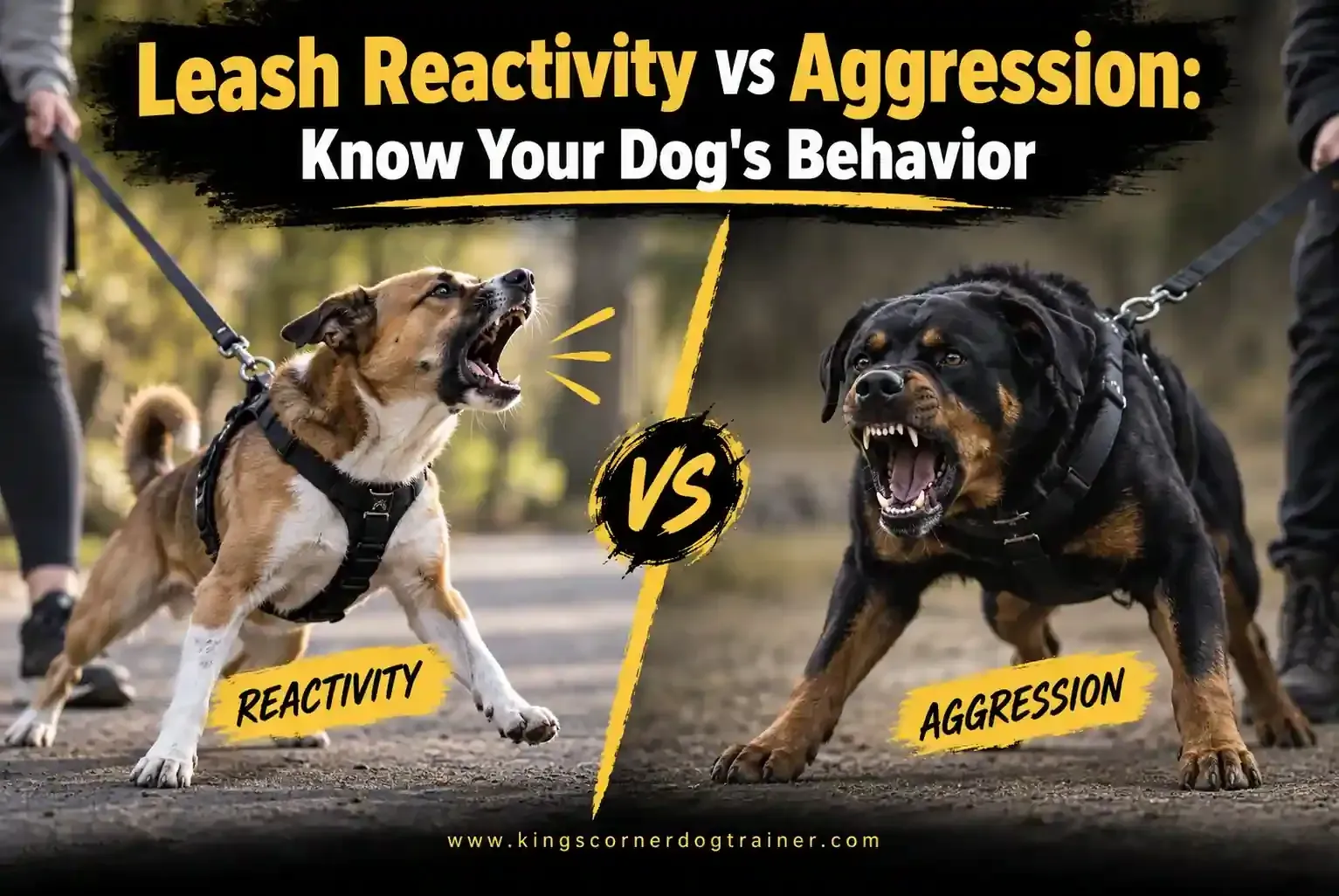
5. Aggression and Reactivity
Dog aggression is one of the more serious dog behavior issues because it can create safety concerns for people and other animals.
Aggressive or reactive behaviors may include:
- Growling
- Snapping
- Lunging
- Barking aggressively
- Resource guarding
- Reacting strongly to other dogs
- Protecting food, toys, spaces, or people
Aggression can be connected to fear, frustration, guarding, poor socialization, previous experiences, or other factors.
How to Address Aggressive Dog Behavior
Do not force an aggressive dog into situations that repeatedly trigger the behavior.
Instead, identify the dog's triggers and manage the environment while working on controlled behavior modification.
Teaching attention, recall, impulse control, place, heel, and other obedience skills may help owners communicate more effectively with their dogs.
For serious aggression, bite history, or unpredictable behavior, professional help is strongly recommended. A veterinarian can also help determine whether pain or another health issue could be contributing to a sudden behavior change.
How to Correct Dog Behavior Successfully
Learning how to correct dog behavior is less about punishment and more about consistency.
Dogs need to understand which behaviors lead to positive outcomes.
A strong training plan usually includes:
- Clear rules
- Consistent commands
- Appropriate exercise
- Mental stimulation
- Positive reinforcement
- Controlled exposure to distractions
- Regular practice
- Rewards for desired behavior
Training should also happen in different environments. A dog that listens perfectly inside your living room may struggle outside around people, traffic, smells, and other dogs.
Gradually practicing around distractions helps build reliable behavior in everyday situations.
When Should You Consider Professional Dog Training?
Some problems can be improved at home, while others may benefit from dog training for behavior problems.
Consider professional support if your dog's behavior is becoming difficult to manage, creates safety concerns, continues despite consistent training, or prevents you from comfortably enjoying everyday activities together.
Working with a professional dog trainer Las Vegas dog owners can turn to can also help identify why a behavior is occurring and create a training plan suited to the individual dog.
Kings Corner Dog Trainer LLC can help owners build clearer communication, better obedience, and more manageable behavior through structured training.
Conclusion
Most common dog behavior problems do not disappear overnight. Lasting improvement requires patience, repetition, consistency, and realistic expectations.
Whether you are dealing with excessive barking, dog jumping on people, destructive chewing, anxiety, or dog aggression, the goal should be to understand the cause of the behavior and teach your dog a better response.
The sooner you address unwanted habits, the easier it is to prevent them from becoming deeply established patterns.
If you are struggling with persistent dog behavior issues, professional guidance can give you a clearer training plan and help you build a calmer, safer, and more enjoyable relationship with your dog.
Frequently Asked Questions
What is the most common behavior problem in dogs?
Barking, jumping, leash pulling, chewing, and poor impulse control are among the most common problems owners experience. The exact issue often depends on the dog's age, environment, training history, and daily routine.
Can dog behavior problems be corrected?
Many dog behavior problems can improve significantly with consistent training, appropriate management, exercise, reinforcement, and patience. Serious aggression or anxiety may require professional support.
How long does it take to correct unwanted dog behavior?
There is no single timeline. Simple habits may improve relatively quickly, while established behavioral problems can require weeks or months of consistent work. The dog's age, temperament, history, environment, and owner consistency all influence progress.
Should I punish my dog for bad behavior?
Punishment alone usually does not teach a dog what behavior you want instead. A more effective approach is to prevent unwanted behavior when possible, redirect the dog, reward appropriate choices, and consistently teach clear alternatives.
When should I contact a professional dog trainer?
Consider professional help when the behavior creates safety concerns, involves aggression or significant anxiety, continues despite consistent training, or is making everyday life difficult for you and your dog.