


How Much Does Aggressive Dog Training Cost in Las Vegas?

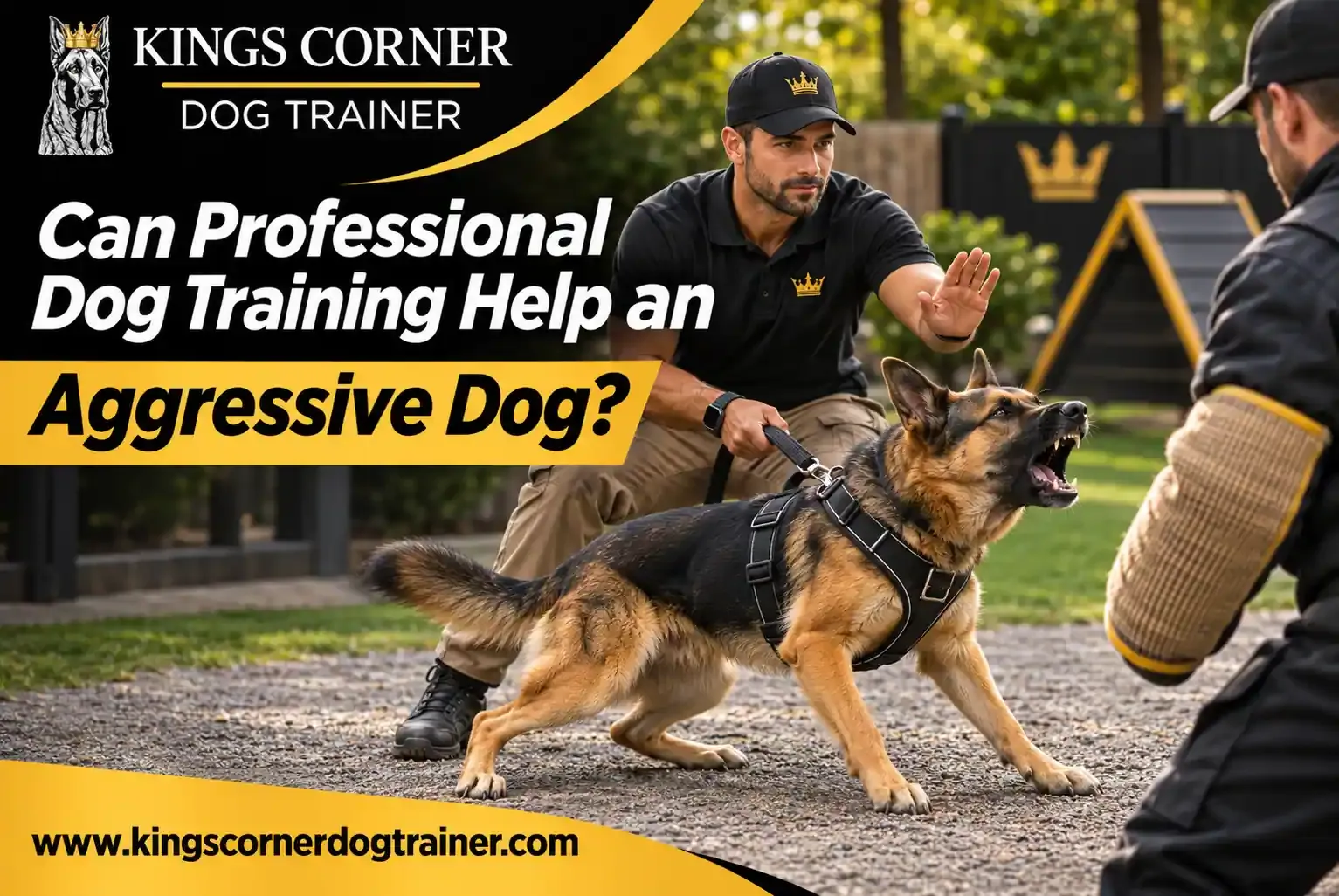
Aggressive dog training costs in Las Vegas vary widely because the term covers very different problems, from barking behind a fence to serious bite incidents. Standard private lessons may be advertised around $75 to $160, but specialized behavioral assessment, longer sessions, veterinary collaboration, and multi-session plans can increase the total. Owners should prioritize safety and the trainer’s ability to recognize fear, pain, and aggression triggers over promises of a quick fix. A thoughtful evaluation is the starting point for pricing.
Why There Is No Single Aggression Training Price
King’s Corner publishes an indicative $75 to $150 private-session range for North Las Vegas, while its aggression services are presented as specialized behavior work. That general figure should not be mistaken for a guaranteed rate for an aggression case. Costs can depend on how serious the behavior is and how much preparation or ongoing support is required.
A dog that barks at passing bicycles may need a different plan from a dog that bites when approached near food. The second situation can require layered management, assessment, owner coaching, and potentially veterinary examination. Ask for an itemized estimate describing evaluation and follow-up stages.
What Changes the Price of Treatment?
The history and frequency of incidents matter, as do household layout, triggers, the presence of children or other animals, and whether injuries have occurred. A trainer may need to observe behavior indirectly rather than provoke dangerous reactions. Extra meetings are sometimes needed to teach owners safe handling and adjust the environment.
Travel, session length, written plans, and communication between appointments also change total cost. Owners should ask whether work will happen at home, in a controlled training location, or both. When medication or medical issues are relevant, those services and expenses are separate from ordinary dog-training fees.
Behavior Modification Is More Than Obedience
An aggressive response often serves a purpose for the dog, such as increasing distance from something frightening or protecting a valued resource. Teaching a sit cue does not automatically resolve the emotion that drives the response. Effective work may combine trigger management, carefully controlled exposure, reinforcement of alternative behaviors, and changes to everyday routines.
If a dog has sudden changes in temperament, a veterinary assessment is particularly important because pain or illness may be contributing. For severe cases, seek a qualified behavior professional or veterinary behaviorist. A trainer should recognize the limits of their expertise and support referral when necessary.
Why Punishment Can Make Problems Worse
Growling and other warnings communicate discomfort. Punishing a warning may hide an important signal without making the dog feel safer. Physical confrontation can create greater fear or defensive behavior, especially when a dog feels trapped. Professional support should prioritize prevention of bites rather than forcing the dog to tolerate an unsafe setup.
The American Veterinary Society of Animal Behavior recommends reward-based approaches for behavior modification and advises against aversive training. Ask explicitly how the provider handles growling, lunging, and refusal to engage. Be wary of claims of guaranteed cures or immediate off-leash reliability in serious cases.
Budget for Safety and Follow-Through
While waiting for help, prevent rehearsals of dangerous encounters: use barriers, separate dogs during meals if needed, and avoid crowded exposure situations. Do not attempt risky exercises based on short internet videos. Families may benefit from a professional muzzle-conditioning plan using a properly fitted basket muzzle, but a muzzle is not a substitute for supervision.
Set aside time for owner practice and reassessment rather than purchasing only a single intensive appointment. Progress may mean fewer incidents, better recovery, or safer distance around triggers; it does not necessarily mean the dog will enjoy every person or animal. Define meaningful, realistic goals.
Finding Local Help for Aggression
When asking for pricing, disclose any bite history, whether skin was broken, the usual triggers, and the people or animals involved. A responsible provider uses this information to plan a safe consultation, not to judge the owner. Ask about methods, relevant experience, referrals, and follow-up support.
King’s Corner describes aggressive dog training and behavior modification on its North Las Vegas services page. Its Las Vegas consultation page is another starting point. Request a specific current estimate and discuss whether a veterinary or specialist referral is appropriate for your situation.
Setting Realistic Expectations
Ask what an early improvement might look like and how you will measure it. Observable changes are more useful than promises that a dog will be perfect. It may take time to transfer a learned skill from a quiet room to a crowded outdoor setting. Training should protect the animal’s welfare and the safety of people around it while progress develops.
What the Price Should Buy
A useful package should be more than time spent with a trainer. The trainer should help you understand when to reward, what to do when your dog struggles, and how to prevent setbacks. Request practical homework with achievable steps. You should also know how to contact the provider if a planned exercise is not working. Clear communication is a concrete part of value, even though providers package it differently.
What to Watch for Between Sessions
Keep a short record of what you practiced, how many repetitions were successful, and what distractions caused difficulty. Share that information during the next appointment so lessons can adapt. When a dog struggles, make the exercise easier before demanding more. Training is a process of building reliability in different contexts, not testing the dog until it fails.
Conclusion
Choosing the right next step for your dog means balancing safety, useful skills, humane methods, and consistent practice. Describe your dog’s specific behavior and daily routine before agreeing to a training plan. Kings Corner Dog Trainer LLC offers locally focused dog training options in the Las Vegas area. Contact the team to discuss your goals, ask about current availability and pricing, and find out which format may fit your dog. If anyone faces immediate bite risk, prioritize safe separation and qualified assessment first.
Frequently Asked Questions
Is aggression training more expensive than obedience?
It can be, because risk assessment and customized behavior plans take extra work.
Can one session resolve aggression?
One session can guide safety, but enduring progress generally requires ongoing work.
Will a trainer guarantee no bites?
A responsible trainer should not promise zero future risk.
Should I punish growling?
No. Growling is warning information; increase safety and seek qualified guidance.
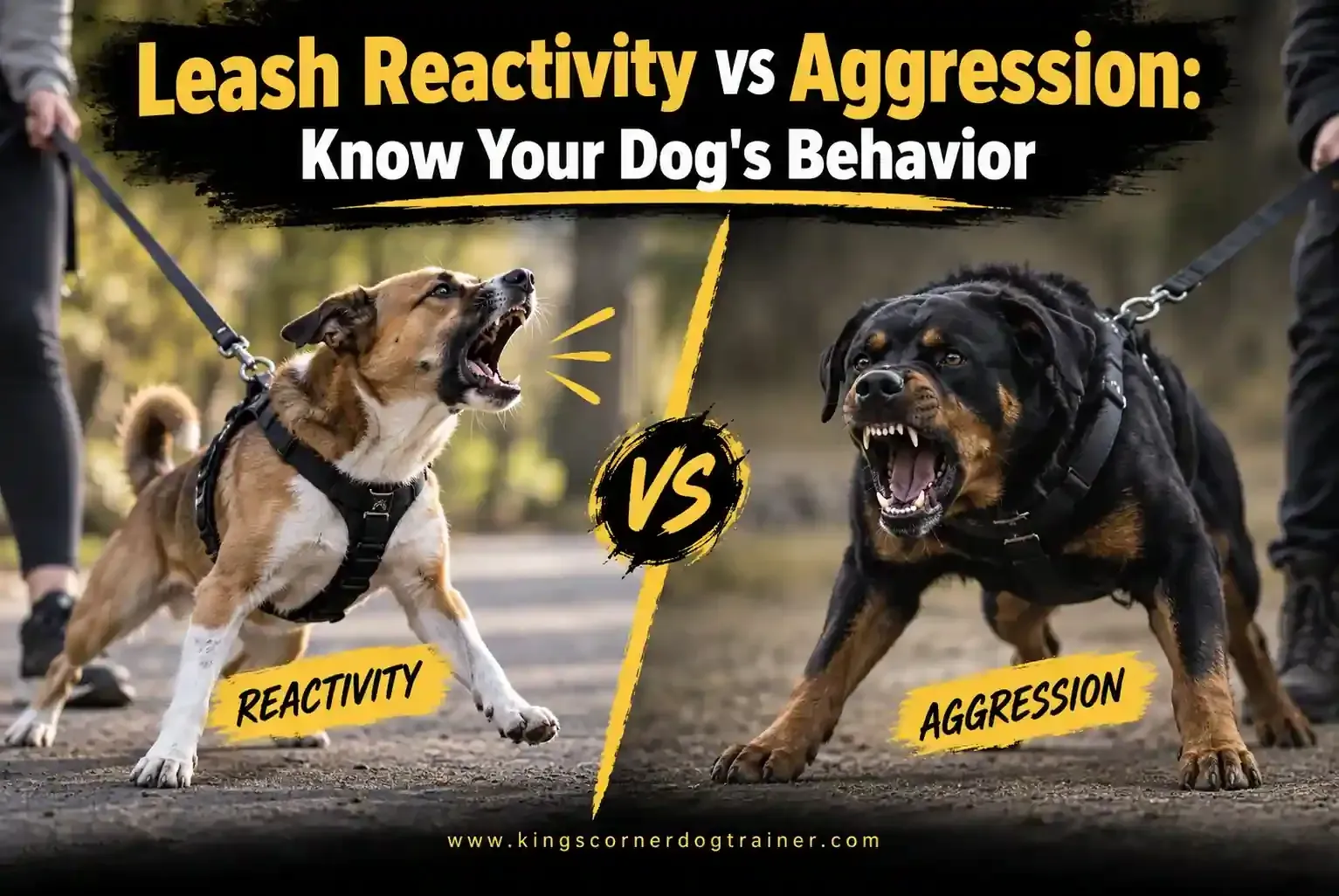
Is dog reactivity always aggression?
No. Frustration and fear can cause similar visible reactions.
When should I see a veterinarian?
Seek veterinary input for sudden changes, possible pain, or serious behavior concerns.
Can a dog with bite history attend group class?
Only after individualized risk assessment and an appropriate safety plan.
Does board and train work for aggression?
Suitability depends on the dog, methods, environment and owner follow-through.