



Can Professional Dog Training Help an Aggressive Dog?
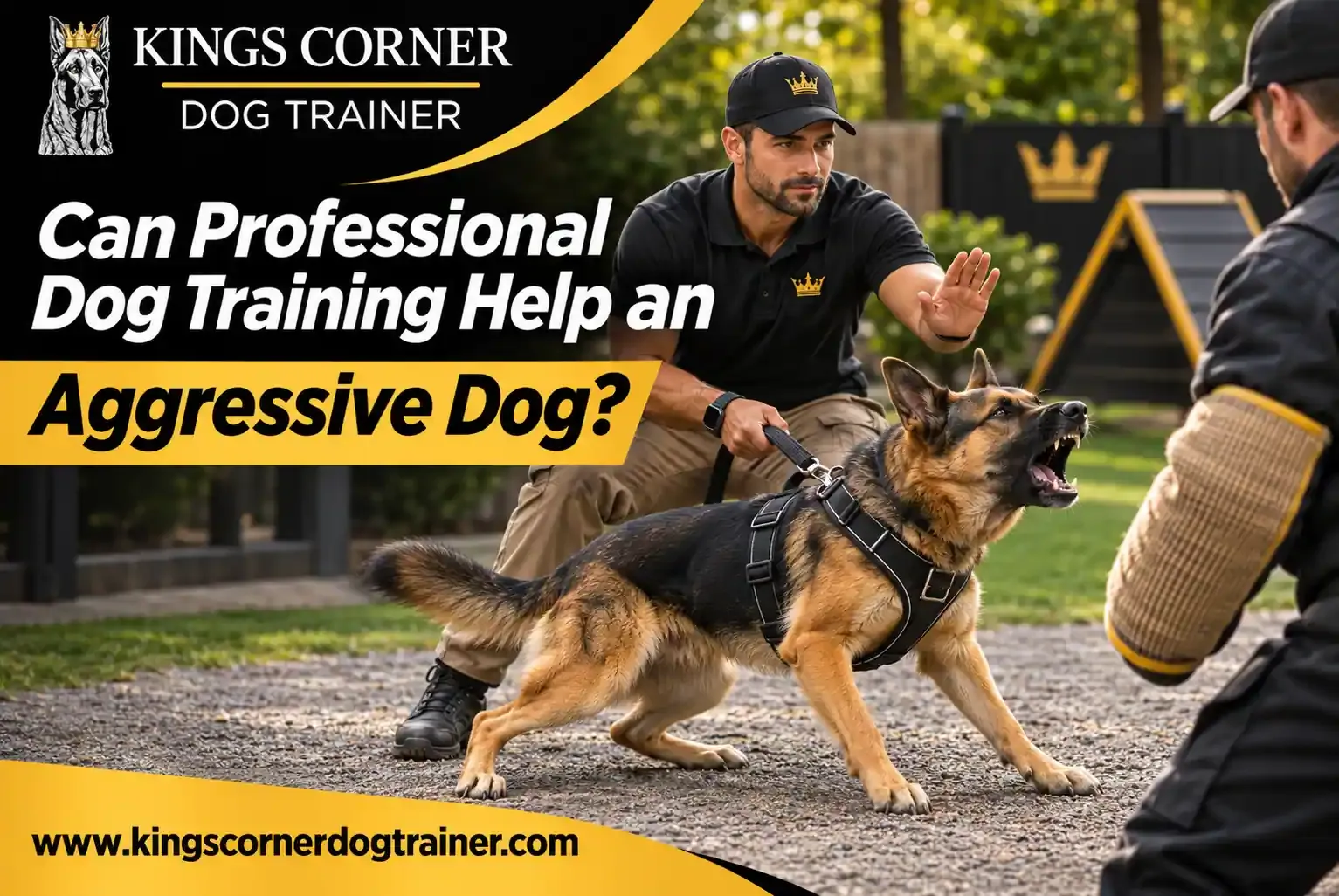
Professional training can help many dogs that behave aggressively, but success depends on identifying the cause, keeping everyone safe, and setting realistic goals. Aggression is not one single problem, and changing visible behavior may take sustained work. A qualified trainer or behavior professional may help with management, alternative responses, and owner skills, while a veterinarian evaluates possible medical contributors. For some dogs, progress means a safer and calmer daily routine rather than unrestricted contact with every person or animal.
What Counts as Aggressive Behavior?
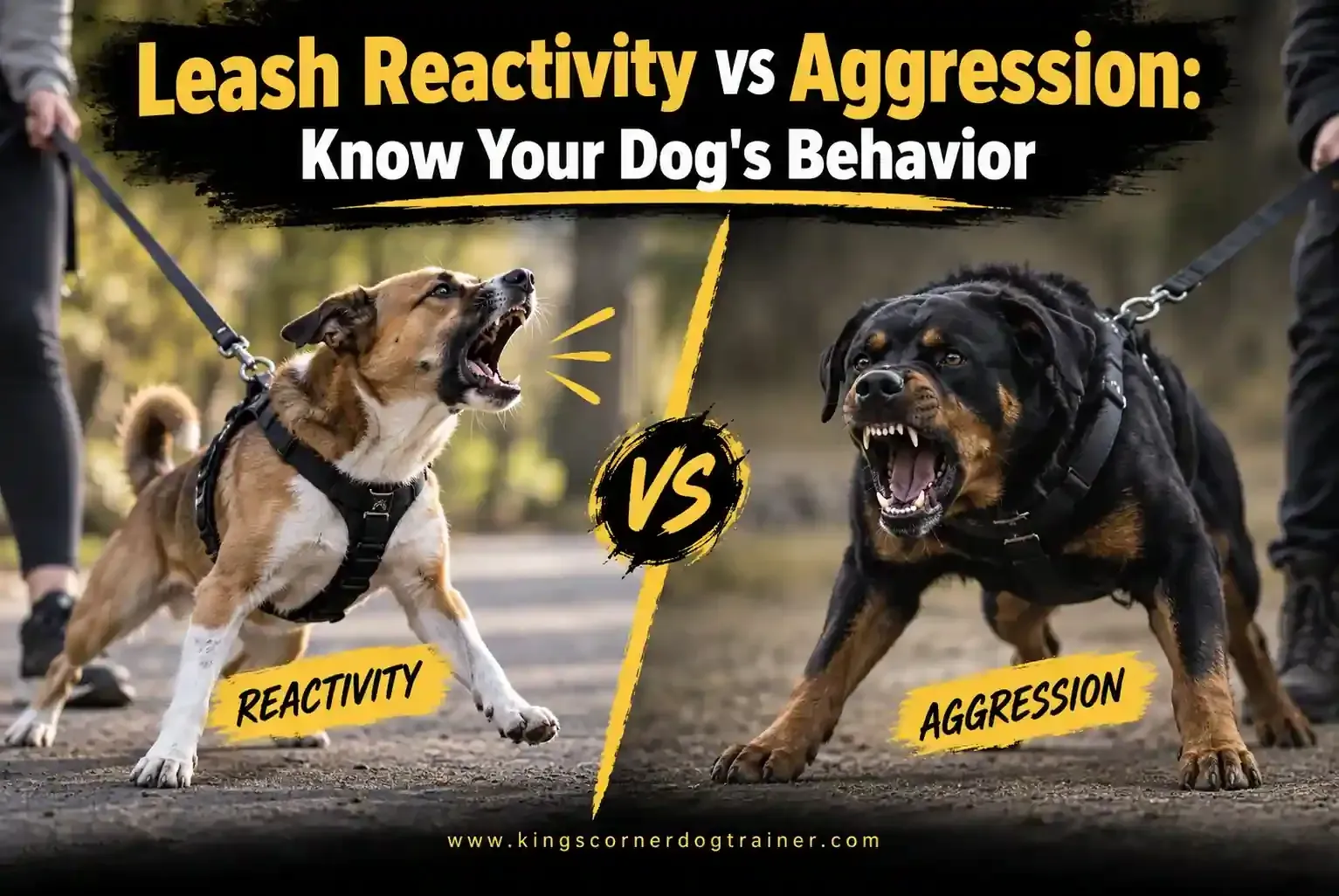
Growling, snapping, biting, stiffening, and charging can indicate a dog is trying to create distance or prevent an interaction. Barking or lunging does not always mean the dog intends to bite; frustration and strong excitement can produce similar displays. The context, body language, and history matter more than a single label.
Document what happens before, during, and after an incident. Note distance from the trigger, whether the dog had an escape route, and whether food, toys, a sleeping place, or handling were involved. This record can make professional evaluation more useful without intentionally repeating risky situations.
Start With Safety and Medical Assessment
If a dog has bitten or is at risk of biting, prevent access to known triggers while you arrange help. Use secure doors, gates, and separation plans; avoid unsupervised interactions with children or visitors. Seek urgent medical care for any injury and follow local reporting requirements when applicable.
Pain, illness, sensory changes, and other conditions can contribute to a sudden behavioral change. A veterinarian can examine potential medical factors and discuss referrals when needed. Training should not be used to override pain or to expose the dog repeatedly to frightening situations.
How Behavior Modification May Help
A plan may begin by reducing exposure to triggers and teaching alternative behaviors in calm conditions. Carefully controlled desensitization and counterconditioning can help a dog form different associations at distances where the animal can still learn. Progress typically moves gradually and may include setbacks.
The owner’s handling skills are essential. Learning to notice early stress signals, guide the dog away safely, and reward desirable choices can prevent escalation. A qualified professional should explain why exercises are chosen and stop or simplify them when the dog shows distress.
Why Harsh Corrections Are Risky
Attempts to suppress growling by force can make warning signals disappear without removing the underlying fear. Confrontation may worsen defensive reactions. A dog that has learned not to warn is not necessarily safer. Avoid techniques that pin, strike, startle or cause pain to force compliance.
The American Veterinary Society of Animal Behavior recommends reward-based training for canine behavior modification. Ask the professional how they assess emotional responses, avoid flooding, and establish safe distances. Good training should not require the dog to be pushed into a bite-producing situation to prove a point.
What Progress Can Realistically Look Like
A useful early success may be the dog turning away from a distant trigger, settling more quickly, or allowing an owner to interrupt a situation before escalation. These changes can make daily life safer and more predictable. Not every dog will become comfortable at crowded parks, daycare, or unrestricted gatherings.
Measure frequency, intensity, and recovery, not just whether the dog obeys a cue. Behavior plans should include prevention routines and follow-up checks as circumstances change. Ask the trainer what outcomes are reasonable and what limitations may remain.
When to Seek Specialized Help
Multiple bites, injuries, aggression toward household members, and situations involving children deserve prompt professional attention. Consider a qualified behavior consultant or veterinary behaviorist for complex cases. A trainer should collaborate with veterinary care when indicated rather than suggesting obedience alone resolves the issue.
King’s Corner lists aggressive-dog and behavior-modification services on its North Las Vegas program page, with a consultation option for Las Vegas owners. Explain the behavior history clearly to determine whether the service is appropriate or a specialist referral is needed.
Why Caregiver Habits Matter
Two dogs with similar problems may need different plans because their homes and schedules are different. A household with several caregivers should agree on cues, rewards, boundaries, and management. Consistency means providing predictable responses, not using force. Include realistic practice in ordinary routines so the strategy survives beyond formal lessons.
Setting Realistic Expectations
Ask what an early improvement might look like and how you will measure it. Observable changes are more useful than promises that a dog will be perfect. It may take time to transfer a learned skill from a quiet room to a crowded outdoor setting. Training should protect the animal’s welfare and the safety of people around it while progress develops.
What the Price Should Buy
A useful package should be more than time spent with a trainer. The trainer should help you understand when to reward, what to do when your dog struggles, and how to prevent setbacks. Request practical homework with achievable steps. You should also know how to contact the provider if a planned exercise is not working. Clear communication is a concrete part of value, even though providers package it differently.
What to Watch for Between Sessions
Keep a short record of what you practiced, how many repetitions were successful, and what distractions caused difficulty. Share that information during the next appointment so lessons can adapt. When a dog struggles, make the exercise easier before demanding more. Training is a process of building reliability in different contexts, not testing the dog until it fails.
Conclusion
Choosing the right next step for your dog means balancing safety, useful skills, humane methods, and consistent practice. Describe your dog’s specific behavior and daily routine before agreeing to a training plan. Kings Corner Dog Trainer LLC offers locally focused dog training options in the Las Vegas area. Contact the team to discuss your goals, ask about current availability and pricing, and find out which format may fit your dog. If anyone faces immediate bite risk, prioritize safe separation and qualified assessment first.
Frequently Asked Questions
Can aggressive dogs improve?
Many can make meaningful progress, but outcomes are individual and not guaranteed.
Many can make meaningful progress, but outcomes are individual and not guaranteed.
It is a warning or communication signal that should be taken seriously.
Will obedience alone cure aggression?
No. Emotional triggers and safety management also need attention.
Can fear cause biting?
Yes. A frightened dog may bite when escape seems impossible.
Should I force socialization?
No. Forced encounters can increase risk and distress.
Can medication help?
A veterinarian may consider it when clinically appropriate.
How long does rehabilitation take?
There is no universal timeline; severity and context influence progress.
When is urgent help needed?
Seek prompt help after bites, escalating threats, or danger to vulnerable people.